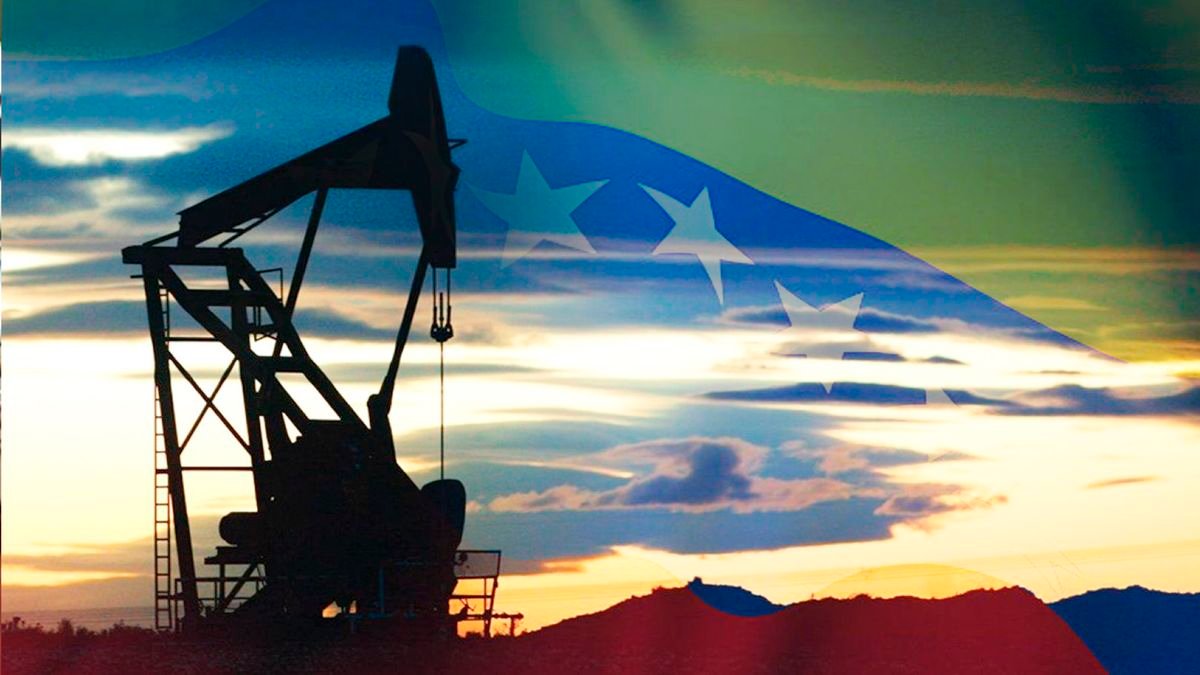

In a move that might alter the energy field of the Western Hemisphere, the U.S. has ratified a broad agreement to give it control over more than 65 billion barrels of proven oil reserves in Venezuela.
The pact was announced by President Donald Trump and reportedly is outlined in a fact sheet issued by the White House, and focuses on a private arrangement with North American Blue Energy Partners (NABEP), which is now the nation’s second leading independent oil producer. Under the agreement, Venezuela’s interim authorities granted NABEP a century-long leasingout of 17 fields. In return, NABEP in turn transferred a 35 percent stockholding in its own parent company to the Pentagon’s Office of Strategic Capital without putting any money directly into the venture; 10 or 15 years down the road, the White House indicates this could be be worth literally hundreds of billions of dollars in long-term value and dividends.
The State Department also and gained a few other concessions, including purchasing 20 percent of all output from current as well as new fields at cost and a right of first refusal to acquiring the 80 percent rest. This and other provisions are required to replenishing and staffing the strategic oil reserve and guaranteeing always having an assured supply of fuel for an unavoidably and unimaginable time of crisis. The proposal also contained stringent governance safeguards for Washington.
The US will have the right of veto on board appointments and at least 50% of the directors will be US citizens. The operation will have to operate under US law and courts. The officials said that much of the fields that are involved were in the hands of Russian or Chinese operators and the deal was viewed as a move to reduce foreign powers’ presence in the field and to extend US energy coverage.
As for Venezuela the dawn is marked as big investment. NABEP has become committed to investing as much as 100 billion dollars of new infrastructure. This is aimed at rejuvenating the now deficient infrastructure that was once highly developed with a decline in the present state of development over the past 25 years the project promises to realize 200 billion dollars in royalties and taxes that would in support of jobs and the economy. The interim President Delcy Rodrguez considered the pact has historic. The scale is eye-catching when viewed in US terms. It is estimated that the US has proved reserves of around 46 billion barrels, so an additional 65 billion barrels from Venezuela would more than double this, for practical reserve base, if achieved, said the administration.
In the eyes of Trump it was the largest oil deal in history and the US would move to develop the assets to their maximum. But, the way forward is unlikely to be smooth. Oil infrastructure in Venezuela has suffered from lack of previous investments and modernization, often in dire need of replenishing; large-scale increases in production might take years and involve long-term commitments of capital and technical skills. Others doubt significant private players will lure the large investments that resource-finding oil companies from the big western multinational oil firms. Risks exist politically as well; a new government may, in the future, try to renegotiate or question the concession soon.