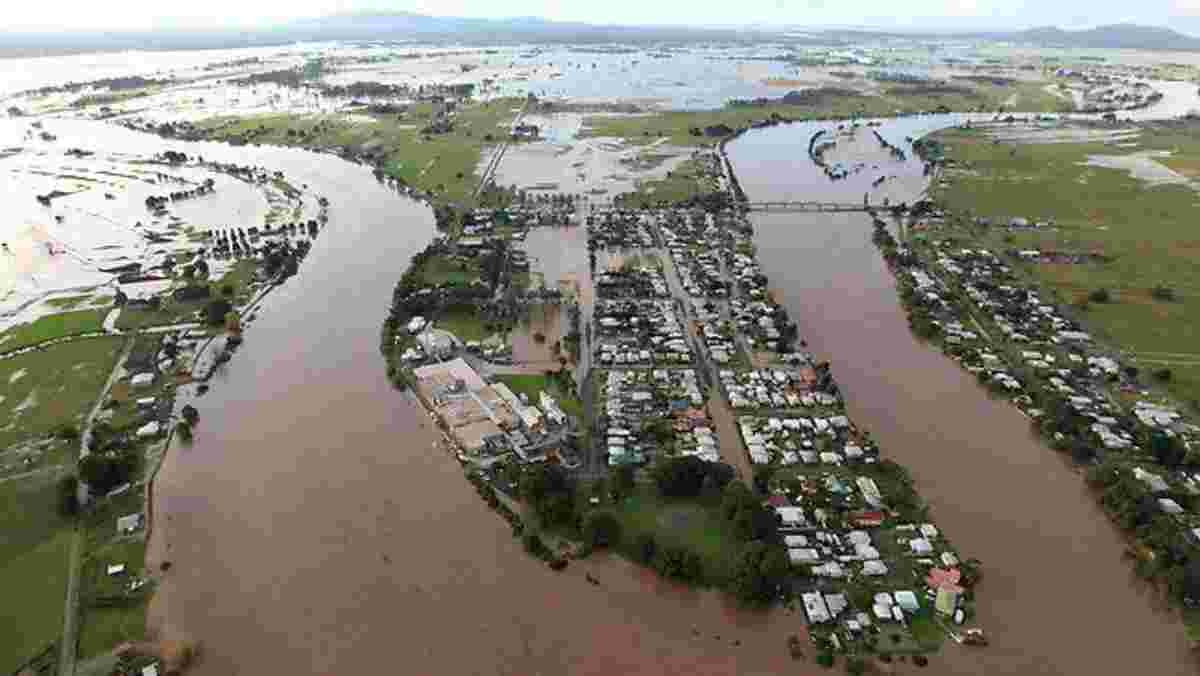

Australia is grappling with severe flooding and extreme weather this month as intense rain, storm systems, and tropical remnants batter vast areas from the east coast to southeastern and central regions, forcing evacuations, closing roads, and damaging infrastructure. Both coastal holiday towns and major metropolitan areas have been impacted, prompting widespread emergency responses.
Flash Flooding Devastates Victoria’s Iconic Great Ocean Road
Victoria’s famed Great Ocean Road experienced destructive flash flooding after a powerful storm cell dumped extraordinary rainfall over a short period earlier in January 2026. In towns including Wye River, Kennett River, Cumberland River, and Lorne, rivers surged rapidly, inundating caravan parks, sweeping cars and caravans down streets, and forcing emergency evacuations as floodwaters inundated popular tourist zones. Local holiday-makers described scenes of vehicles and personal belongings being washed away and widespread disruption to everyday life.
Authorities issued emergency warnings — with rainfall recordings exceeding typical expectations for the region — and deployed search and rescue teams. More than 200 to 400 residents in flood-prone low-lying areas were displaced, with some residents rescued by police helicopter. Officials later acknowledged that the unprecedented downpour and rapid flooding were challenging for emergency services to predict and manage in real time.
Sydney and New South Wales Confront Widespread Flood Pressures
In eastern Australia, New South Wales (NSW) also faced severe rainfall, with Sydney recording its wettest January day in 40 years, topping 126.8 mm of rain, resulting in widespread inundation of roads, landslides, and tens of thousands of emergency calls for assistance. Rivers and creeks overflowed, prompting evacuation advisories and flood rescues as heavy rainfall persisted.
Storm-related damage has included fallen trees and power outages, and emergency services in NSW have responded to thousands of serious weather incidents — including flood rescues, road closures, and shelter activations — as communities faced rapidly rising floodwaters.
Cyclone Koji Aftermath and Flood Warnings in Queensland
To the north, Cyclone Koji’s remnants earlier in the month brought torrential rain and widespread flooding to north and central Queensland, overwhelming river systems and prompting major flood warnings. Multiple areas saw rainfall totals reaching up to 600 mm (24 inches), leaving thousands without power and prompting evacuations and rescue efforts across communities.
In Rockhampton, authorities are preparing for continued river rises with the Fitzroy River forecast to peak between 6.5 and 7.5 meters, threatening local communities and prompting additional flood warnings, evacuation planning, and sandbagging operations. Rural towns remain isolated in places, and emergency services are actively monitoring flood levels.
Human and Infrastructure Toll
Across the affected regions, the floods have led to transport disruption, with key roads and infrastructure closed or damaged, and emergency crews stretched responding to incidents. In Sydney and its surrounding areas, landslides and falling tree incidents have caused fatalities, with at least one woman killed when a tree branch fell during a violent storm event.
The prolonged rainfall and widespread flooding have also led to property damage, evacuations, and community disruption, as residents contend with floodwaters that have cut off access to homes and towns, forcing reliance on emergency services and evacuation shelters.
Emergency Response and Ongoing Outlook
Australia’s State Emergency Services (SES), police, and local authorities continue to issue flood and severe weather warnings, urging the public to avoid floodwaters and prepare for isolated communities and continued rainfall. Meteorologists caution that while some flood alerts have eased in parts of New South Wales, heavy moisture and storm systems remain in the region, with further showers and potential thunderstorms possible as the weather pattern evolves.
The extreme nature of these events — record rainfall, rapid flash flooding, and storm-linked downpours — highlights broader concerns about changing weather patterns and increased volatility in Australia’s climate system, prompting calls for enhanced emergency preparedness and infrastructure resilience.