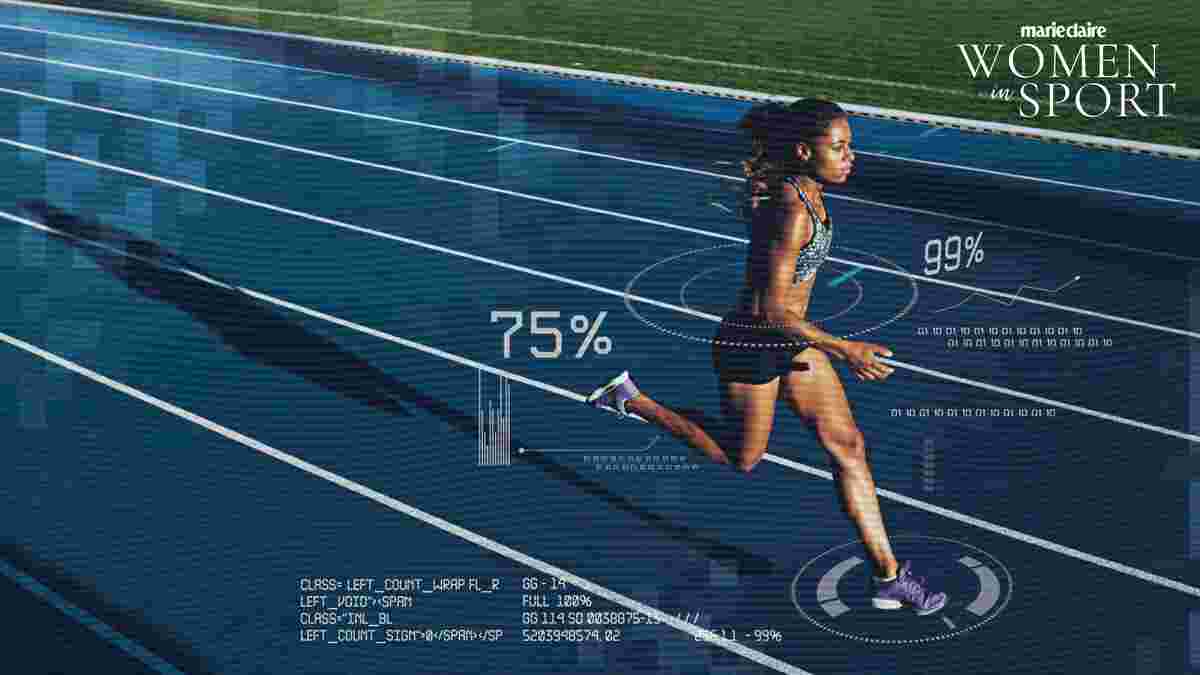

A newly released global health report is placing long-overdue focus on the unique medical and developmental needs of female athletes, particularly adolescents, marking a significant shift in how sports medicine approaches women’s health. The updated guidance aims to improve clinical care, injury prevention, and long-term well-being for young female athletes who have historically been underrepresented in sports science research and medical policy.
For decades, most athletic health guidelines were built around male physiology, often applying the same training loads, recovery protocols, and injury assessments to female athletes. The new report challenges this one-size-fits-all approach, emphasizing that biological differences during adolescence play a critical role in performance, injury risk, and overall health outcomes for young women in sports. Medical experts involved in the report stress that puberty, hormonal changes, bone development, and energy balance must be considered as central factors in athlete care.
One of the key areas addressed is the rise of overuse injuries among adolescent female athletes. As competitive sports begin at younger ages, many girls face intense training schedules without adequate recovery or nutrition support. The report highlights a growing link between insufficient energy intake and conditions such as stress fractures, delayed puberty, and menstrual irregularities. By encouraging early screening and education, healthcare providers can intervene before short-term performance goals lead to long-term health consequences.
Mental health is another major focus of the updated guidance. The report acknowledges increasing pressure on young female athletes stemming from social media exposure, performance expectations, and body image concerns. These stressors can contribute to anxiety, burnout, and disordered eating patterns, particularly during adolescence. The new framework calls for mental health screening to be treated with the same priority as physical injury assessments, integrating psychological support into routine sports healthcare.
The report also addresses gaps in access to specialized medical care. In many regions, adolescent female athletes lack access to clinicians trained in female-specific sports medicine. The updated guidance encourages national sports bodies, schools, and athletic programs to invest in education for coaches and medical professionals, ensuring early recognition of warning signs and appropriate referrals when needed.
International sports organizations and health authorities, including World Health Organization, have welcomed the report, noting its potential to influence policy at both grassroots and elite levels. Experts believe the recommendations could reshape how youth sports programs are designed, shifting the focus from early specialization and high-volume training toward sustainable athletic development.
Beyond immediate health outcomes, the report emphasizes the long-term impact of adolescent care on women’s lifelong relationship with sport. Many female athletes leave competitive sports early due to preventable injuries or burnout. By prioritizing age-appropriate training, proper nutrition, and mental well-being, the guidance aims to help young athletes remain active, confident, and healthy well into adulthood.
The timing of the report is especially significant as women’s sports continue to gain global visibility and investment. With growing audiences, sponsorships, and professional opportunities, the pressure on young female athletes is increasing. Medical experts warn that without proper safeguards, this growth could come at the cost of athlete health.
This new focus on female athlete health represents more than a clinical update; it signals a cultural shift in sports medicine. By recognizing the specific needs of adolescent female athletes, the report sets the foundation for safer, more inclusive, and more sustainable participation in sports worldwide. As its recommendations are adopted across schools, clubs, and professional systems, it has the potential to change the future of women’s sports from the ground up.