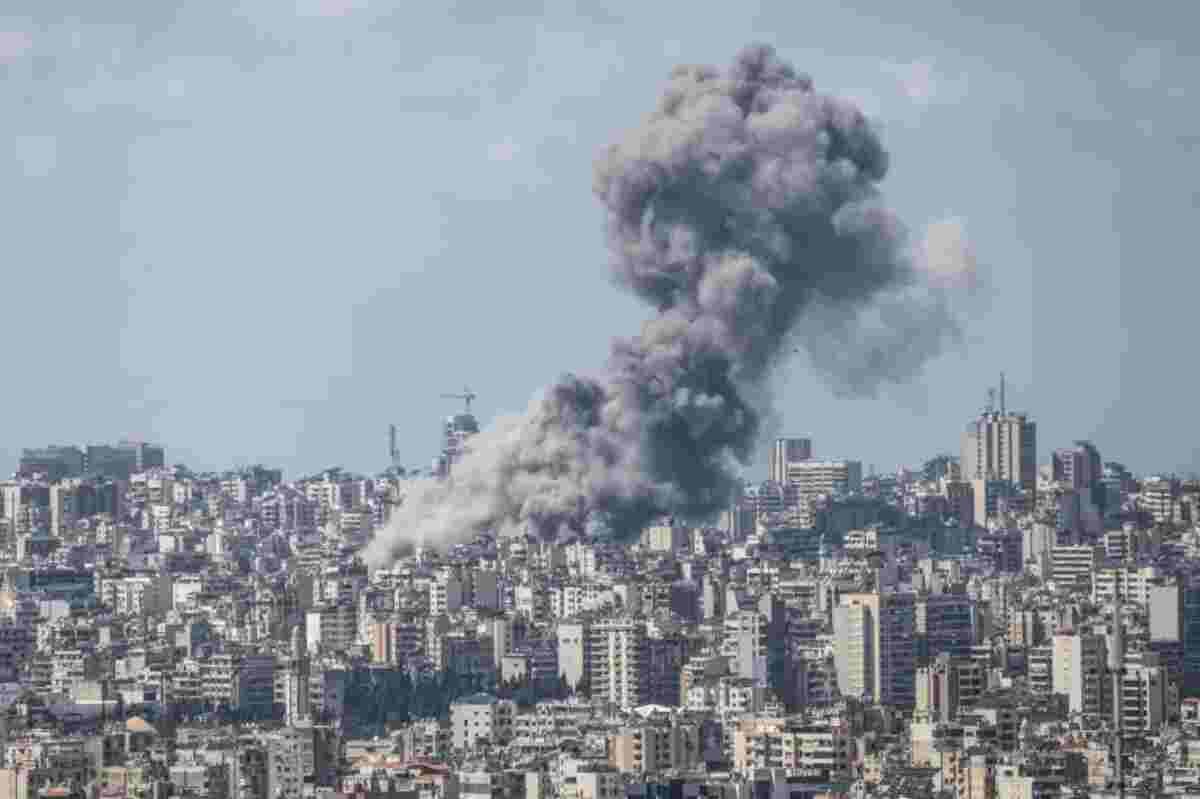

On April 8, 2026, just hours after the United States and Iran announced a two-week ceasefire, Israel carried out its most intense bombardment of Lebanon since the current conflict escalated. The Israeli Air Force unleashed more than 100 airstrikes in a rapid 10-minute wave, targeting what it described as over 100 Hezbollah command centers, military sites, missile launch positions, and infrastructure across Beirut, southern Lebanon, and the Bekaa Valley.
Lebanese health authorities reported at least 254 people killed and more than 1,100 wounded in the deadliest single day of the Lebanon campaign so far. Strikes hit densely populated neighborhoods in Beirut, including areas not previously warned, sending thick plumes of smoke rising over the capital. Rescue teams worked through rubble in southern suburbs and other affected regions as hospitals faced overwhelming casualties.
Israeli Prime Minister Benjamin Netanyahu stated clearly that the fragile truce with Iran did not extend to Lebanon. The Israeli military emphasized that operations against Hezbollah would continue with full force to neutralize threats from the Iran-backed group. Defense officials described the assault as the largest coordinated strike of the ongoing campaign, aimed at degrading Hezbollah’s command structure and capabilities.
The timing has heightened tensions around the broader regional ceasefire. While the US and Israel maintain that Lebanon remains outside the agreement, Iranian officials and Pakistani mediators—who helped broker the deal—suggested the pause should encompass all related fronts. Hezbollah initially paused rocket fire in line with the Iran truce but responded later with renewed attacks on northern Israel, citing the Lebanese strikes as a violation.
The escalation comes amid a month-long surge in fighting that began when Hezbollah increased support for Iran during the US-Israel operations against Iranian targets. Since early March, Israeli forces have conducted airstrikes and limited ground operations in southern Lebanon, displacing over 1.2 million people and causing widespread destruction in border areas.
International reactions poured in quickly. Human rights groups condemned the scale of the bombardment in civilian-heavy zones, while several governments called for immediate de-escalation to prevent the Iran ceasefire from collapsing. European diplomats urged all parties to exercise restraint, warning that further violence could derail upcoming talks scheduled in Pakistan.
For residents of Beirut and southern villages, the strikes brought fresh fear and disruption. Many families who had hoped the Iran truce might bring quiet found themselves fleeing once again or seeking shelter as explosions rocked their neighborhoods. Civil defense teams continue searching for survivors under collapsed buildings, with the death toll expected to rise as more bodies are recovered.
The Israeli military reported that most targets were linked to Hezbollah’s military wing, including drone units and Radwan Force positions. Officials claimed the operation significantly set back the group’s ability to launch attacks, though Hezbollah vowed to respond proportionally and rejected any return to pre-conflict arrangements along the border.
This latest wave underscores the complex and overlapping conflicts in the region. While the US-Iran ceasefire has halted direct strikes between those powers and eased pressure on the Strait of Hormuz, the parallel Israel-Hezbollah confrontation continues unabated. Analysts note that without a separate agreement covering Lebanon, the risk of miscalculation remains high, potentially drawing Iran back into active involvement.
As rescue efforts continue and smoke lingers over Beirut, global attention turns to whether diplomatic channels can prevent further escalation. The coming days will test whether the two-week pause with Iran holds or whether the violence in Lebanon pulls the entire region back into wider confrontation. For now, Lebanon bears the brunt of a conflict that shows little sign of ending soon.