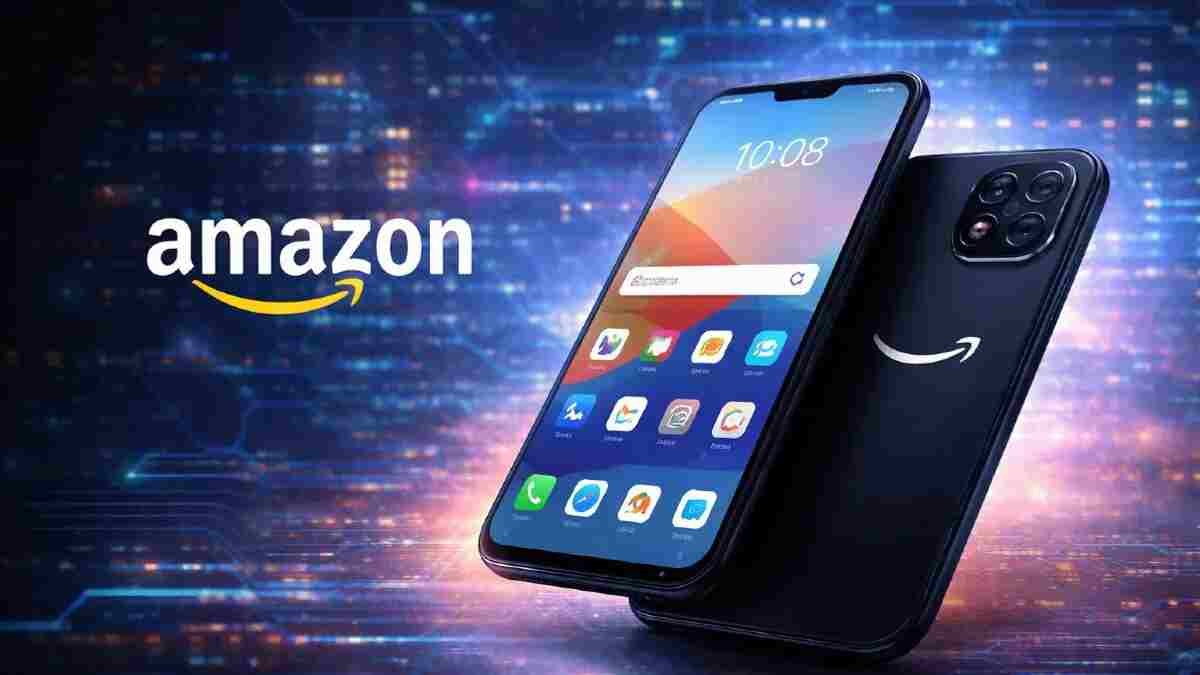

Amazon is reportedly preparing for a bold return to the smartphone market, years after its Fire Phone experiment failed to gain traction. This time, however, the company is not simply re-entering the hardware race but aiming to redefine it through artificial intelligence, deep ecosystem integration, and a renewed focus on user experience. The move signals Amazon’s growing ambition to compete more aggressively with tech giants in the consumer device space.
The Fire Phone, launched in 2014, was widely seen as a misstep. Despite innovative features like Dynamic Perspective and tight integration with Amazon services, the device struggled due to its high price, limited app ecosystem, and lack of compelling differentiation from established competitors. The failure led Amazon to step back from smartphones and focus instead on successful hardware categories like Echo devices, Kindle readers, and Fire TV.
Now, the landscape has changed dramatically. AI has become the central battleground in consumer technology, and Amazon sees an opportunity to leverage its strengths in cloud computing, voice assistants, and data-driven personalization. The new smartphone initiative is expected to revolve heavily around advanced AI capabilities powered by Amazon Web Services and an evolved version of Alexa.
Unlike its earlier attempt, Amazon’s next smartphone is likely to prioritize intelligence over gimmicks. Reports suggest the device could feature a deeply personalized interface that anticipates user needs, automates daily tasks, and integrates seamlessly with smart home devices. This would position the phone not just as a communication tool but as a central hub for managing digital and physical environments.
One of the biggest advantages Amazon brings to the table is its ecosystem. From Prime services and shopping to streaming and cloud storage, the company has built a comprehensive digital universe that can be tightly woven into a smartphone experience. A new device could offer unique features such as AI-powered shopping recommendations, real-time deal tracking, and voice-controlled purchasing, all designed to enhance user convenience.
The timing of this potential comeback is also significant. The smartphone market, while saturated, is undergoing a transformation driven by AI, foldable designs, and new user interfaces. Companies are experimenting with on-device intelligence, contextual awareness, and cross-platform connectivity. Amazon’s entry into this evolving space could disrupt traditional dynamics, especially if it manages to deliver a device that stands out in meaningful ways.
Competition, however, will be intense. Apple and Samsung continue to dominate the premium segment, while Chinese manufacturers push innovation at competitive price points. Google, with its Pixel lineup, is already leveraging AI as a core selling point. For Amazon to succeed, it will need to offer not just competitive hardware but a compelling reason for users to switch ecosystems.
Pricing strategy will play a crucial role. One of the lessons from the Fire Phone was that consumers are unwilling to pay premium prices for unproven devices. Amazon may adopt a more aggressive pricing approach this time, potentially subsidizing the hardware to drive adoption and monetize through services, much like it has done with its other devices.
Another key factor will be app support and developer engagement. A strong app ecosystem is essential for any smartphone’s success, and Amazon will need to ensure compatibility with major platforms while encouraging developers to build optimized experiences for its device. Partnerships and strategic collaborations could help bridge this gap.
Security and privacy will also be under scrutiny. As AI-driven devices collect and process more user data, ensuring transparency and trust will be critical. Amazon will need to address these concerns proactively to gain user confidence and differentiate itself in a market where privacy is increasingly important.
If executed well, Amazon’s smartphone comeback could mark a significant shift in the industry. Rather than competing solely on hardware specifications, the company appears to be betting on a future where AI and ecosystem integration define the user experience. This approach aligns with broader trends in technology, where devices are becoming smarter, more connected, and deeply personalized.
The road ahead is uncertain, but one thing is clear: Amazon is not returning to the smartphone market to repeat the past. With lessons learned from the Fire Phone and a new focus on AI-driven innovation, the company is positioning itself to challenge the status quo and potentially reshape how consumers interact with their devices.